By Scott Kresan Kilbe, Barrie, ON
Starting with something I can hold
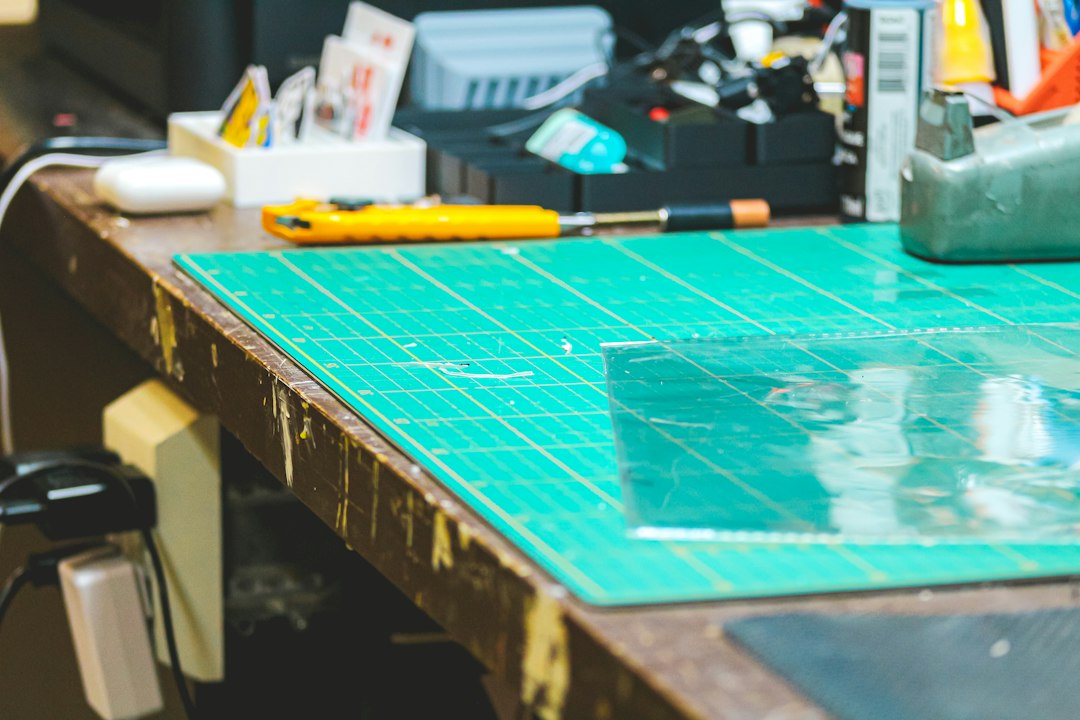
A lot of the problems I deal with at work do not look like problems at first. They look like a stack of files that need sorting, or a schedule that keeps getting bumped, or a process that used to work fine until the office got busier. Those are not exciting things to think about. But I have found that the way I approach a model kit or a miniature figure is not that different from the way I approach a messy workflow. Both start the same way: pick up the piece in front of you, figure out what it needs, and stop worrying about the whole picture for a minute.
When I am building a historical model, I do not try to finish it in one sitting. I break it into stages. Base first, then structure, then detail. If I tried to do everything at once, I would lose track of what mattered and what did not. Office problems work the same way. If something is broken, I do not try to fix the whole system in one afternoon. I find the one piece that is actually causing the trouble and start there.
Why small projects teach patience better than big ones
Painting a miniature figure is slow. There is no way to rush the brushwork without it looking rushed. I think that is part of why the hobby has been useful to me outside of it. It trained me to accept that some things just take the time they take, and pushing past that only makes more work later.
At the office, the instinct under pressure is to speed up. Skip a step, shortcut a check, move on to the next task. I have learned that this usually costs more time than it saves. A rescheduled appointment that gets rebooked wrong, a form that gets filed in the wrong place, these are the kind of small errors that come from rushing a step that needed care. The habit of slowing down for detail work carries over. It is not a personality trait so much as something I practiced with a paintbrush long before I practiced it with a filing system.
Working with what is actually in front of you
Creative projects also teach you to work with the materials you have, not the materials you wish you had. A kit comes with a fixed set of pieces. If something does not fit the way you expected, you adjust your approach instead of forcing it.
That is close to how I think about office problems too. I do not always get to redesign a process from scratch. More often I am working inside a system that already exists, with people, habits, and expectations already in place. The job is to find where I have room to improve things without knocking over what is already working. It is less about big changes and more about small adjustments that add up.
Testing before committing
One thing building models taught me is to test a placement before gluing it down. Hold the piece where you think it goes, check the angle, check that it lines up with the next piece, and only then commit.
I try to do the same thing with any change to how the office runs. Before I lock in a new way of doing something, I run it for a short stretch and watch what happens. Sometimes a fix that looks good on paper causes a new problem somewhere else. Testing first means I catch that before it becomes routine.
Why I keep making things outside of work
I do not build models or paint figures because I think it will make me better at my job. I do it because I enjoy it. But I have noticed that the habits it builds, patience, breaking things into stages, testing before committing, do not stay in the hobby box. They show up at my desk without my asking them to.
I think that is the real value of having something creative outside of work. It is not a productivity hack. It is just a different room to practice the same kind of thinking, where the stakes are lower and the mistakes are cheaper. By the time a similar problem shows up at work, I have already made the mistake once, somewhere it did not matter, and learned from it there instead.
The part that stays the same
Whether it is a model on my desk at home or a workflow at the clinic, the process is the same at its core: look closely, work in order, and do not commit to something until you have checked it fits. None of that is complicated. It is just easier to remember when you have practiced it on something you actually enjoy.